

When to See a Physiotherapist Versus When to See a Doctor
Introduction
When you are experiencing pain or reduced movement it can be difficult to know whether to see a doctor or a physiotherapist first. The decision depends on the nature of your symptoms, their severity, and whether medical investigation or rehabilitation is required. This guide explains the differences between care from a doctor and care from a physiotherapist, outlines common scenarios for each, and describes how the two professionals may work together.
What Is the Difference Between a Doctor and a Physiotherapist?
Doctors are medical practitioners who can diagnose illnesses, prescribe medication, order investigations such as X-rays or MRIs, and manage systemic medical conditions. Physiotherapists are movement and rehabilitation specialists who assess how your muscles, joints and nerves are functioning, and aim to restore movement, strength and comfort through exercise, manual therapy and education.
In Australia, many physiotherapists work as first contact practitioners, meaning a referral from a doctor is not always required to access physiotherapy services. (Healthdirect Australia 2025)
However, referrals may be required for private health rebates or specific funding schemes. (My Health 1st 2025)

When to See a Physiotherapist First
You may choose to see a physiotherapist first if you have:
- Muscle or joint pain (for example back, neck, shoulder or knee) that is non-traumatic.
- A sprain or strain resulting from activity or movement.
- Postural pain caused by prolonged sitting or work habits.
- Stiffness or reduced range of motion that affects daily tasks.
- Rehabilitation needs following surgery or an injury.
- Chronic musculoskeletal conditions such as tendinopathy or arthritis where movement and strength restoration are central to care.
Physiotherapists are trained to assess and identify underlying causes of musculoskeletal pain. If during the assessment a physiotherapist identifies red-flag symptoms or the need for further investigation, they will refer you to your general practitioner or a specialist.
When You Should See a Doctor First
You should see a doctor first if you experience any of the following:
- A sudden and severe onset of pain after major trauma or accident.
- Numbness, tingling or weakness in arms or legs, particularly if there is loss of function.
- Unexplained weight loss, fever or night sweats accompanying pain.
- Pain that persists despite gentle movement or rest, or deteriorates in function.
- Suspected fracture or dislocation.
- Pain accompanied by other systemic signs such as chest pain, dizziness or signs of infection.
Doctors can evaluate whether there is an underlying medical condition, order diagnostic tests and initiate medical management before rehabilitation begins.
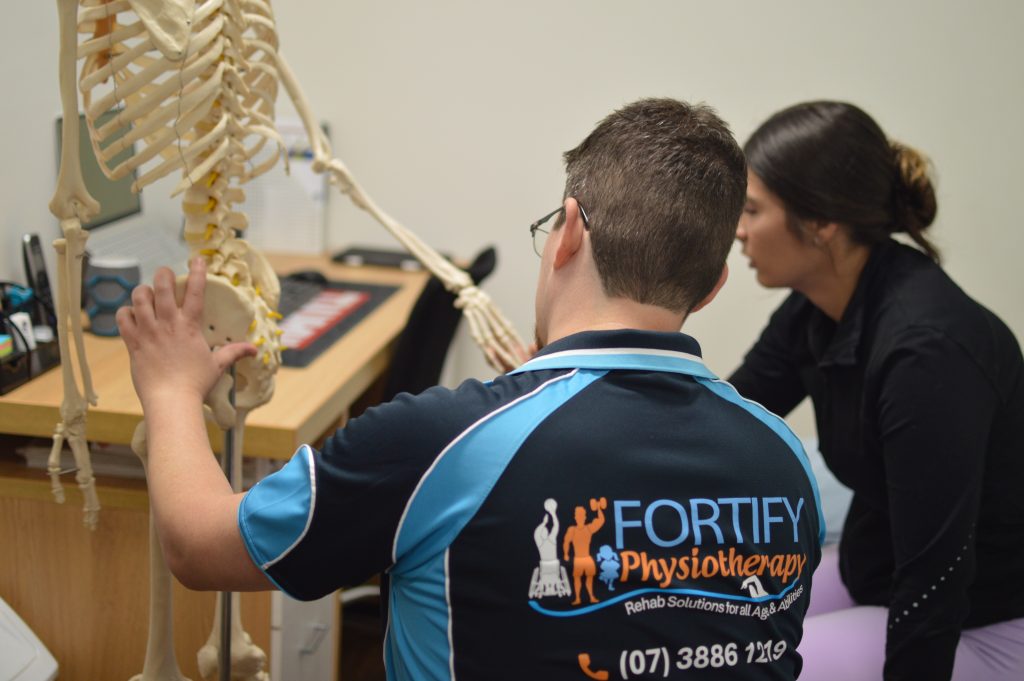
How do Doctors and Physiotherapist work together?
Optimal outcomes often result from a collaborative approach. A doctor may diagnose a condition, prescribe medication or organise investigations, after which a physiotherapist can restore movement and function and help prevent recurrence. For example, a doctor may prescribe anti-inflammatories for knee pain while a physiotherapist assesses movement patterns, strengthens support muscles and improves biomechanics.
Conclusion
If you are experiencing muscle, joint or movement-related pain without systemic symptoms, a physiotherapist is often a sensible first step. If your pain is sudden, severe or includes red-flag signs, see your doctor first. When in doubt, starting somewhere is better than delaying care—both doctors and physiotherapists are trained to refer you on if needed, and early intervention often leads to better outcomes.
Call to Action
If you would like to book an assessment, contact our clinic today. Our physiotherapists can assess your symptoms, guide you toward the most appropriate care and refer you to your GP if further investigation is required.
References
Healthdirect Australia. (2025) Physiotherapy. Available at: https://www.healthdirect.gov.au/physiotherapy (Accessed: 6 November 2025).
My Health 1st. (2025) ‘What is a Physiotherapist and When Should I See One?’, MyHealth1st Health Hub. Available at: https://www.myhealth1st.com.au/health-hub/articles/what-is-a-physiotherapist/ (Accessed: 6 November 2025).
Musculoskeletal Health Australia (MHA). (2025) Find a health professional. Available at: https://muscha.org/health-professional/ (Accessed: 6 November 2025).
Australian Physiotherapy Association. (2021) First Contact Physiotherapy: Policy statement. Available at: https://australian.physio/sites/default/files/FINAL_OP_FCP_2021.pdf (Accessed: 6 November 2025).
Services Australia. (2025) Allied health referrals for GP chronic condition management plans. Available at: https://www.servicesaustralia.gov.au/allied-health-referrals-for-gp-chronic-condition-management-plans (Accessed: 6 November 2025).