
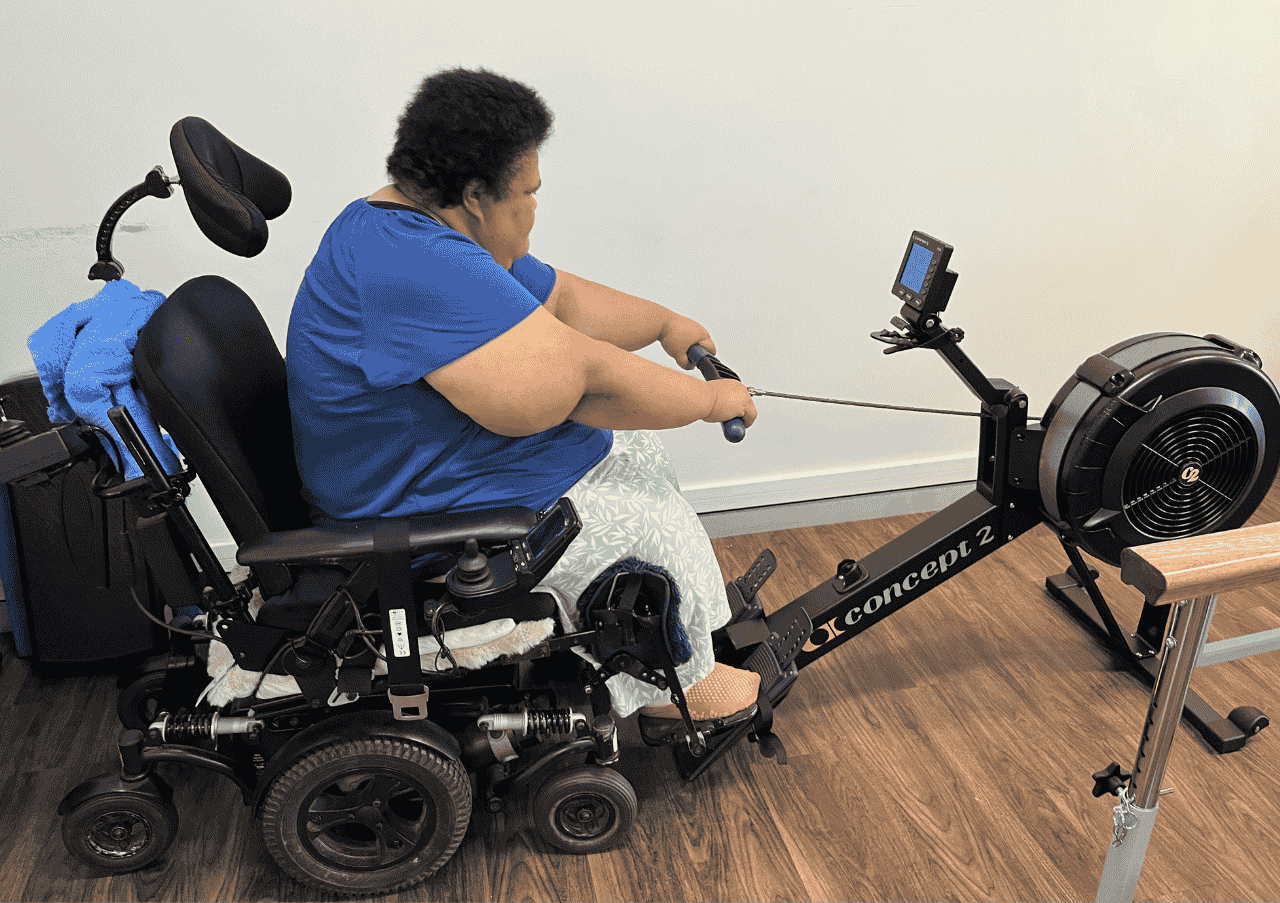
 How Physiotherapy Supports People Living with Disability
People living with disabilities often experience physical, functional and environmental challenges that evolve over time. Physiotherapy provides an adaptable and person-centred approach to improving movement, enhancing participation and increasing confidence. Rather than being short-term or condition-specific, physiotherapy for long term disability is an ongoing partnership focused on meaningful goals and sustainable outcomes.
Personalised Movement and Strength
A major role of physiotherapy is to help individuals maintain or build strength, mobility and endurance. Every person’s presentation is different, so physiotherapists tailor programs that consider current abilities, goals, and daily routines. Exercises may focus on functional tasks such as transferring, standing, reaching or walking. Therapy can also include the use of equipment such as gait trainers, mobility aids or supportive braces to maximise independence and ensure safety.
Because many disabilities influence muscle tone, stability or coordination, therapists continually review and adapt treatment plans. This flexibility means physiotherapy can remain effective even when needs change over months or years.
Managing Spasticity, Pain and Secondary Complications
Many neurological or developmental conditions include challenges such as spasticity, chronic tightness, fatigue or pain. Physiotherapy plays an important role in managing these symptoms through structured movement, stretching routines, postural strategies and manual therapy. Over time, these interventions can reduce discomfort, support easier daily movement and help prevent issues such as contractures or pressure-related injuries.
Education is also a key component. Physiotherapists teach individuals and carers how to recognise early signs of complications and how to manage them at home. This proactive approach helps protect long-term health and function.
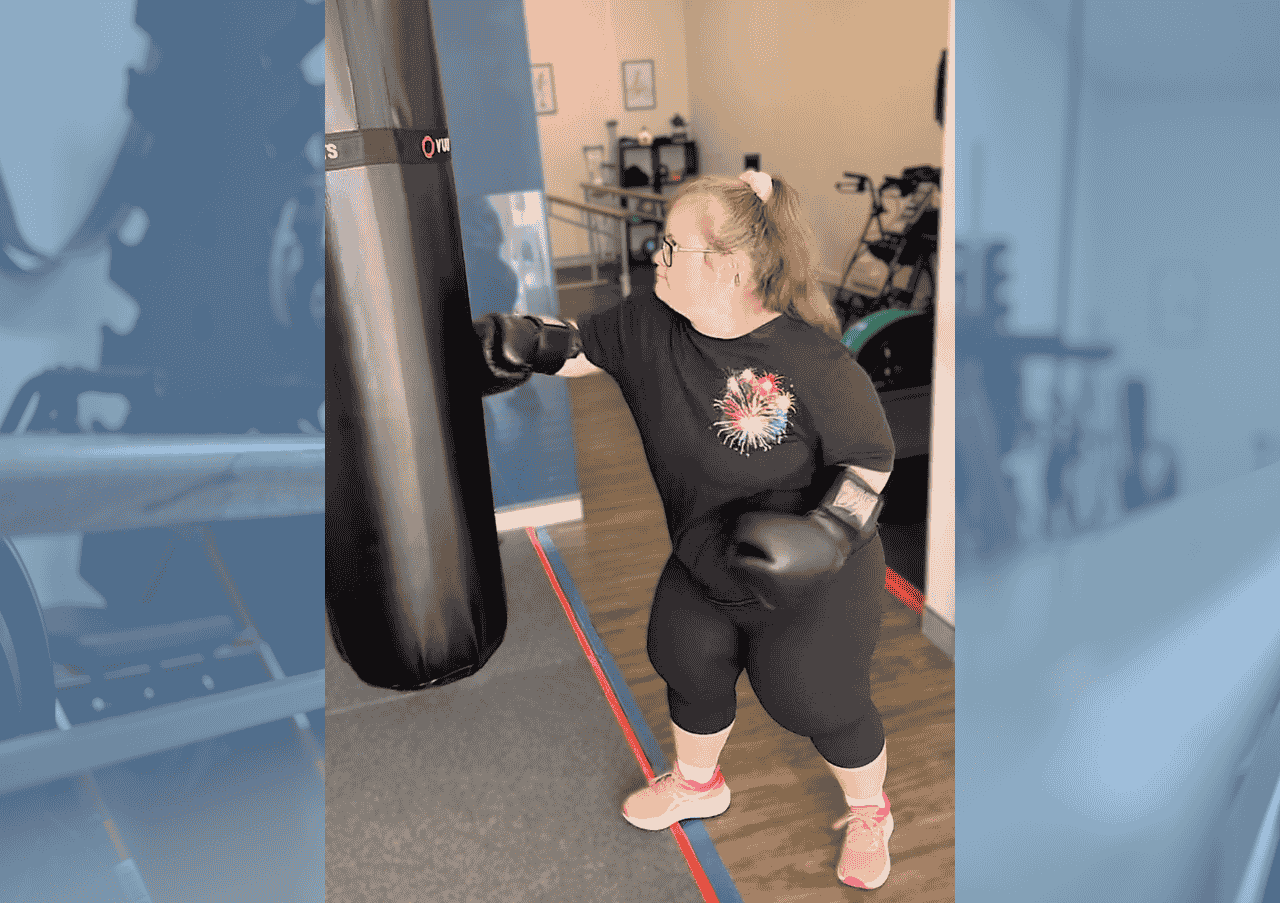 Enhancing Balance, Coordination and Safety
Balance and coordination difficulties are common in long term disability and can affect day-to-day confidence. Physiotherapy addresses these using targeted exercises that challenge stability in safe and controlled ways. Gait retraining, core strengthening and sensory-motor activities help individuals move more comfortably and more safely in their environments.
Therapists may also recommend environmental adjustments and assistive devices to reduce fall risk. As skills develop, people often report improvements not only in their physical ability but also in their willingness to participate in social or community activities.
Supporting Neurocognitive and Sensory Integration
Physiotherapy does more than strengthen muscles or improve mobility. For individuals with neurological conditions, repeated movement training can support better awareness of the body, improved postural control and enhanced motor planning. These changes contribute to smoother, more coordinated movement and a greater sense of agency and self-efficacy.
This broader impact is especially significant for those living with conditions such as cerebral palsy, acquired brain injury or spinal cord injury, where communication between the brain and body may be affected.
Promoting Independence, Participation and Quality of Life
Physiotherapy plays a central role in building independence, not only in physical tasks but in daily decision-making and self-management. Individuals often learn strategies for energy conservation, pacing, positioning and adapting tasks to reduce strain. These skills support participation in school, work, leisure and community life.
Even small improvements can have a substantial impact on confidence. Achieving a new level of mobility, learning to use a new piece of adaptive equipment or mastering a meaningful task can significantly influence a person’s sense of control and wellbeing.
Collaborative, Long-Term Care
Support for disability is most effective when health professionals work together. Physiotherapists collaborate with occupational therapists, speech pathologists, support coordinators, medical teams and families to ensure the person’s goals and needs remain central. Because many disabilities are dynamic, ongoing assessment is essential. Physiotherapists adjust therapy plans as a person grows, ages or experiences changes in health, ensuring continuity and consistency of care.
This collaborative and long-term mindset recognises that people with long term disabilities deserve responsive health care that adapts as they do.
If you or someone you support is living with a disability, physiotherapy can be a vital part of building strength, comfort and independence. Contact our clinic to arrange a personalised assessment and discover how tailored physiotherapy can support long-term wellbeing and help achieve meaningful goals.
References
Australian Physiotherapy Association (APA) 2019, Physiotherapy and disability, Australian Physiotherapy Association, viewed 21 November 2025, https://australian.physio.
Australian Government Department of Health and Aged Care 2023, Disability and health, Australian Government, viewed 21 November 2025, https://www.health.gov.au.
Cerebral Palsy Alliance 2024, Physiotherapy for cerebral palsy, Cerebral Palsy Alliance, viewed 21 November 2025, https://cerebralpalsy.org.au.
Ham, RA, O’Connell, C & McLoughlin, J 2021, Physiotherapy approaches in long-term disability management, University of Sydney, viewed 21 November 2025, https://www.sydney.edu.au.
NDIA (National Disability Insurance Agency) 2024, Therapy supports and the NDIS, National Disability Insurance Scheme, viewed 21 November 2025, https://www.ndis.gov.au.
Physiotherapy Board of Australia 2023, Scope of practice for physiotherapists, Australian Health Practitioner Regulation Agency, viewed 21 November 2025, https://www.physiotherapyboard.gov.au.
Queensland Health 2022, Physiotherapy services for people with disability, Queensland Government, viewed 21 November 2025, https://www.health.qld.gov.au.
Royal Children’s Hospital Melbourne 2023, Physiotherapy for children with developmental or physical disabilities, Royal Children’s Hospital, viewed 21 November 2025, https://www.rch.org.au.
UNSW Health & Disability Research Network 2022, Optimising participation for people with lifelong disability, UNSW Sydney, viewed 21 November 2025, https://www.unsw.edu.au.
Western Australia Department of Health 2021, Neurological rehabilitation: clinical guidelines, WA Government, viewed 21 November 2025, https://www.health.wa.gov.au.