
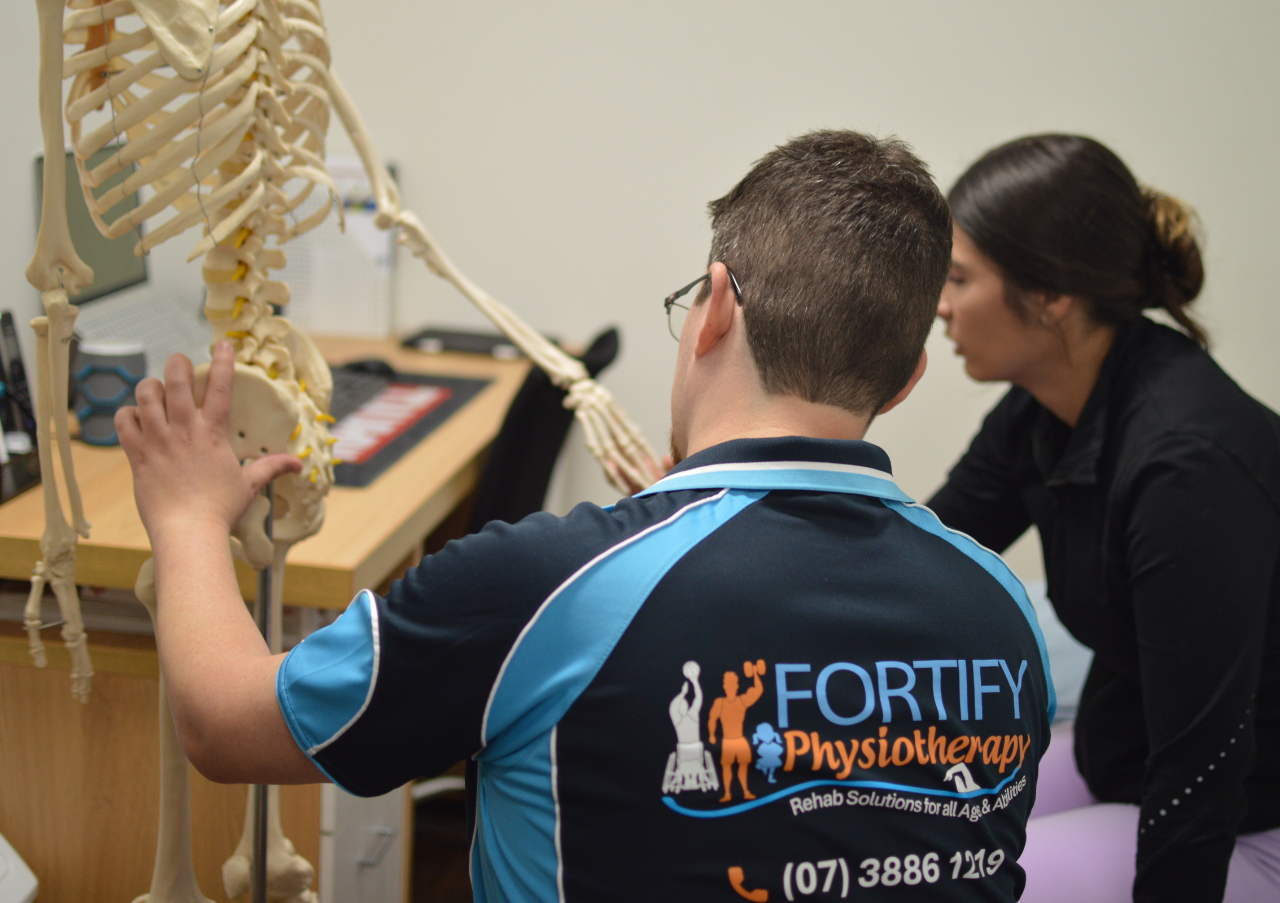
 Why Exercise Is One of the Best Treatments for Osteoporosis
Osteoporosis affects thousands of Australians and is one of the leading causes of fractures in older adults. While medication plays an important role for many people, exercise is one of the most effective ways to help manage osteoporosis and maintain independence.
Many people are understandably concerned that exercise could increase their risk of injury. In reality, avoiding movement can lead to weaker muscles, poorer balance, reduced mobility, and a greater risk of falls. When performed correctly, exercise helps build strength, improve confidence, and support healthy ageing.
Why exercise matters for bone health
Bone is living tissue that constantly adapts to the demands placed upon it. When you participate in appropriate weight bearing and resistance exercises, your bones receive signals that encourage them to maintain their strength. While exercise cannot completely reverse osteoporosis, it can help slow bone loss and improve the body’s ability to cope with everyday activities safely.
Just as importantly, exercise strengthens the muscles that support your joints and spine. Strong muscles reduce the load placed on vulnerable areas and improve overall function.
More than stronger bones
The benefits of exercise extend well beyond bone density.
People living with osteoporosis often experience improvements in:
-
- Muscle strength
-
- Balance and coordination
-
- Walking ability
-
- Posture
-
- Flexibility
-
- Confidence when moving
-
- Overall quality of life
Improved balance and strength also reduce the likelihood of falls, which is one of the most important ways to lower the risk of fractures.
 The best types of exercise for osteoporosis
Not all exercise has the same effect on bone health. A physiotherapist can recommend a program based on your medical history, fitness level, and fracture risk.
Some of the most beneficial forms of exercise include:
Weight-bearing exercise
Weight-bearing activities encourage your skeleton to work against gravity. Depending on your ability, these may include walking, stair climbing, low impact aerobics, dancing, or hiking.
Resistance training
Strength training using weights, resistance bands, or body weight helps build stronger muscles while placing healthy loads through the bones. It is one of the most effective ways to improve function and maintain independence.
Balance training
Falls are a major cause of fractures in people with osteoporosis. Exercises that improve balance can significantly reduce fall risk and increase confidence during everyday activities.
Postural exercises
Osteoporosis can increase the risk of spinal fractures, which may contribute to rounded shoulders and changes in posture. Exercises that strengthen the back muscles and improve posture can help support the spine and make daily activities more comfortable.
Exercises that may need modification
Having osteoporosis does not mean you need to stop being active. However, some movements may place unnecessary stress on weakened bones.
Depending on your individual situation, your physiotherapist may recommend avoiding or modifying activities that involve:
-
- Repeated bending forward through the spine
-
- Twisting while lifting
-
- Heavy lifting with poor technique
-
- High impact activities if fracture risk is high
These recommendations vary from person to person. A personalised assessment is the safest way to determine which exercises are appropriate for you.
 Why a personalised program is important
Every diagnosis of osteoporosis is different. Age, previous fractures, balance, strength, other medical conditions, and current activity levels all influence the most appropriate treatment plan.
A physiotherapist will assess how you move, identify areas of weakness, and develop an exercise program that progresses safely over time. Regular reviews help ensure the exercises remain effective as your strength and confidence improve.
This individual approach often helps people feel more comfortable returning to activities they may have avoided after their diagnosis.
It is never too late to start
Whether you have recently been diagnosed with osteoporosis or have been living with it for years, becoming more active can still provide significant health benefits.
Starting slowly and exercising consistently is far more valuable than attempting too much too soon. Even modest improvements in strength and balance can make everyday tasks easier and reduce the likelihood of falls.
The goal is not simply stronger bones. It is maintaining your independence, confidence, and ability to enjoy the activities that matter most.
Take the next step
If you have osteoporosis, osteopenia, or concerns about your bone health, a physiotherapy assessment can help you exercise safely and confidently.
Our experienced physiotherapists can assess your mobility, strength, balance, and posture before developing an individual exercise program tailored to your goals and level of bone health.
Book an appointment today to discover how the right exercise program can help you stay active, reduce your risk of falls, and support your long term bone health.
References
Healthy Bones Australia. 2024, Exercise and Bone Health, Healthy Bones Australia, viewed 10 July 2026, https://healthybonesaustralia.org.au.
Osteoporosis Australia, now Healthy Bones Australia. 2024, Understanding Osteoporosis, Healthy Bones Australia, viewed 10 July 2026, https://healthybonesaustralia.org.au.
Royal Australian College of General Practitioners 2024, Guidelines for Preventive Activities in General Practice, RACGP, viewed 10 July 2026, https://www.racgp.org.au.
The Royal Australian College of General Practitioners and Healthy Bones Australia 2024, Osteoporosis Prevention, Diagnosis and Management in Postmenopausal Women and Men over 50 Years of Age, viewed 10 July 2026, https://healthybonesaustralia.org.au.