
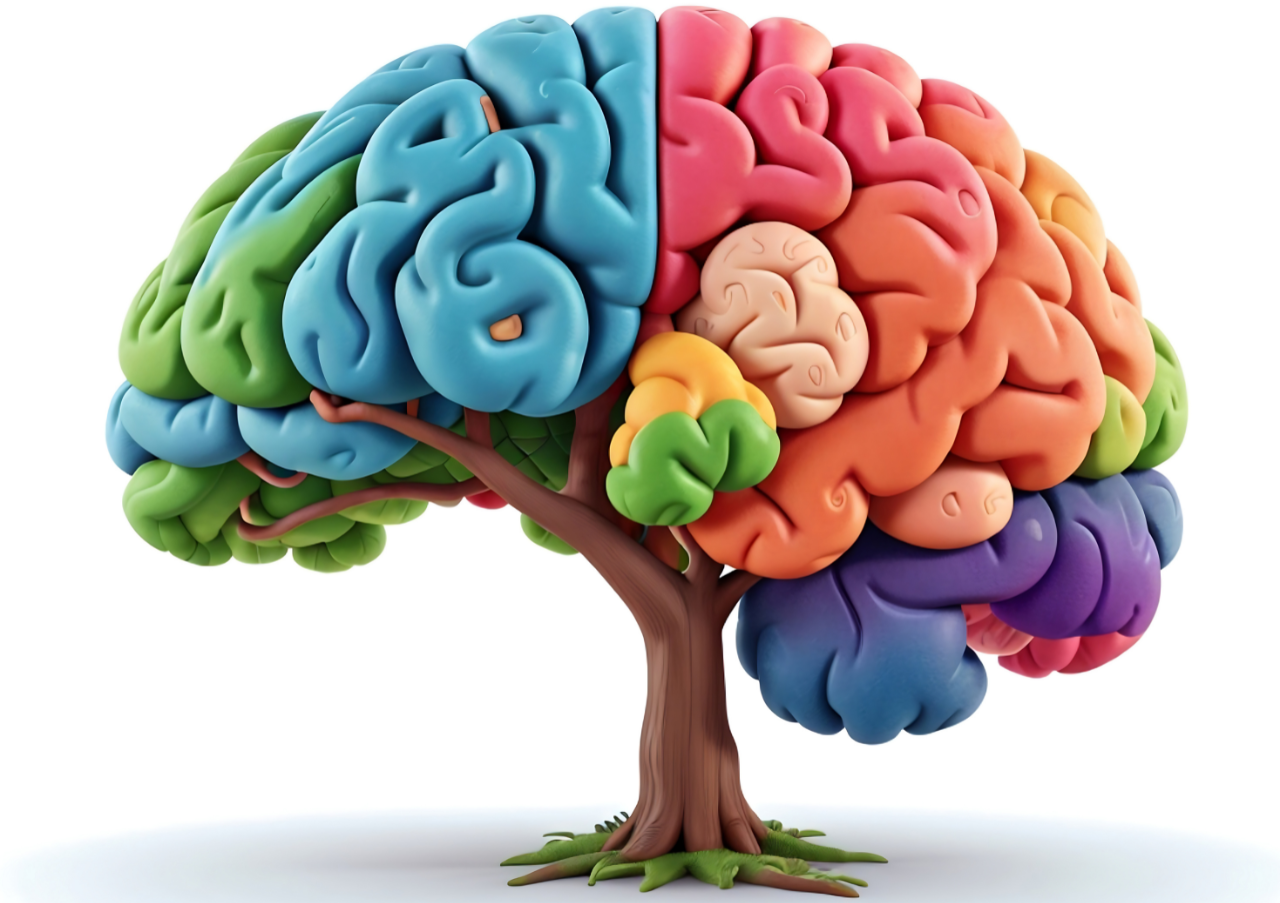
 Understanding Physiotherapy After an Acquired Brain Injury
An acquired brain injury can change the way a person moves, thinks and participates in everyday life. Whether caused by a stroke, traumatic injury, infection, tumour or lack of oxygen to the brain, the effects can vary greatly from one individual to another.
For many people, rehabilitation is an essential part of recovery. Physiotherapy plays a key role in helping people regain movement, improve independence and work towards meaningful personal goals. While recovery looks different for everyone, the right rehabilitation program can help maximise function and quality of life.
What is an acquired brain injury?
An acquired brain injury, often referred to as an ABI, is damage to the brain that occurs after birth. It differs from congenital or hereditary conditions because it develops as the result of an event or illness.
Depending on the area of the brain affected, people may experience challenges with:
-
- Balance
-
- Walking
-
- Strength
-
- Coordination
-
- Muscle stiffness
-
- Fatigue
-
- Mobility
-
- Everyday activities
Some people also experience changes in thinking, communication, memory or behaviour, making rehabilitation a collaborative process involving several health professionals.
How physiotherapy supports recovery
Physiotherapy focuses on improving physical function and helping people become as independent as possible.
After a comprehensive assessment, your physiotherapist develops an individualised treatment plan based on your current abilities, goals and lifestyle. Rehabilitation often begins with restoring basic movement before progressing to more complex functional activities.
Treatment may include exercises to improve strength, flexibility, balance, coordination and walking ability. Functional activities such as standing from a chair, climbing stairs or getting in and out of bed may also become part of therapy.
The goal is not only to improve movement in the clinic but also to make everyday tasks easier and safer.
Balance and mobility training
Difficulty with balance is common following an acquired brain injury and can increase the risk of falls.
Physiotherapists use targeted exercises to improve postural control, weight shifting, stepping and walking. Rehabilitation is carefully progressed to challenge the individual while maintaining safety.
As confidence improves, therapy may include practising activities in different environments to better prepare people for daily life at home and in the community.
Managing muscle weakness and stiffness
Muscle weakness can make movement slow and tiring, while increased muscle tone or stiffness may restrict movement and affect comfort.
Physiotherapy aims to improve strength through tailored exercise while maintaining joint mobility and flexibility. Stretching, positioning and movement practice may all form part of the rehabilitation program.
Regular therapy can also help prevent secondary complications associated with reduced mobility.
 The importance of repetition
The brain has an incredible ability to adapt by forming new neural pathways. This process, known as neuroplasticity, is supported through repetitive, meaningful practice.
Repeating functional movements helps reinforce motor learning and encourages the brain to develop new ways of completing tasks.
This is why physiotherapy often involves practising the same movement many times. Although progress may appear gradual, consistent practice can lead to meaningful improvements over time.
Rehabilitation is a team effort
Recovery after an acquired brain injury often involves a multidisciplinary team.
Alongside physiotherapists, rehabilitation may include occupational therapists, speech pathologists, rehabilitation physicians, psychologists and other health professionals working together to support the individual’s goals.
Family members and carers also play an important role by encouraging exercise, supporting daily routines and celebrating progress throughout the rehabilitation journey.
Every recovery journey is different
No two acquired brain injuries are the same.
Some people regain independence quickly, while others require ongoing rehabilitation over months or years. Progress is influenced by many factors, including the type of injury, severity, overall health and access to rehabilitation.
Rather than comparing recovery with others, it is more helpful to focus on personal goals and celebrate every achievement, no matter how small it may seem.

Looking towards the future
Living with an acquired brain injury presents challenges, but rehabilitation provides opportunities for continued improvement. Physiotherapy helps people build strength, improve balance, increase confidence and develop the skills needed to participate more fully in everyday life.
With an individualised treatment plan and ongoing support, many people continue making meaningful progress well beyond the early stages of recovery.
Ready to start your rehabilitation journey?
If you or a loved one is living with an acquired brain injury, our physiotherapy team can help develop a personalised rehabilitation program designed around your goals. Contact our clinic today or book an appointment online to learn how physiotherapy can support your recovery.
References
Australian Physiotherapy Association 2022, Neurological physiotherapy, Australian Physiotherapy Association, Melbourne, viewed 7 August 2026.
Brain Injury Australia 2024, About acquired brain injury, Brain Injury Australia, Canberra, viewed 7 August 2026.
Healthdirect Australia 2024, Brain injury, Healthdirect Australia, Sydney, viewed 7 August 2026.
Queensland Health 2023, Brain injury rehabilitation, Queensland Government, Brisbane, viewed 7 August 2026.
The Royal Australian College of General Practitioners 2023, Traumatic brain injury management in general practice, RACGP, Melbourne, viewed 7 August 2026.