
 How Hands-On Physiotherapy and Exercise Work Together
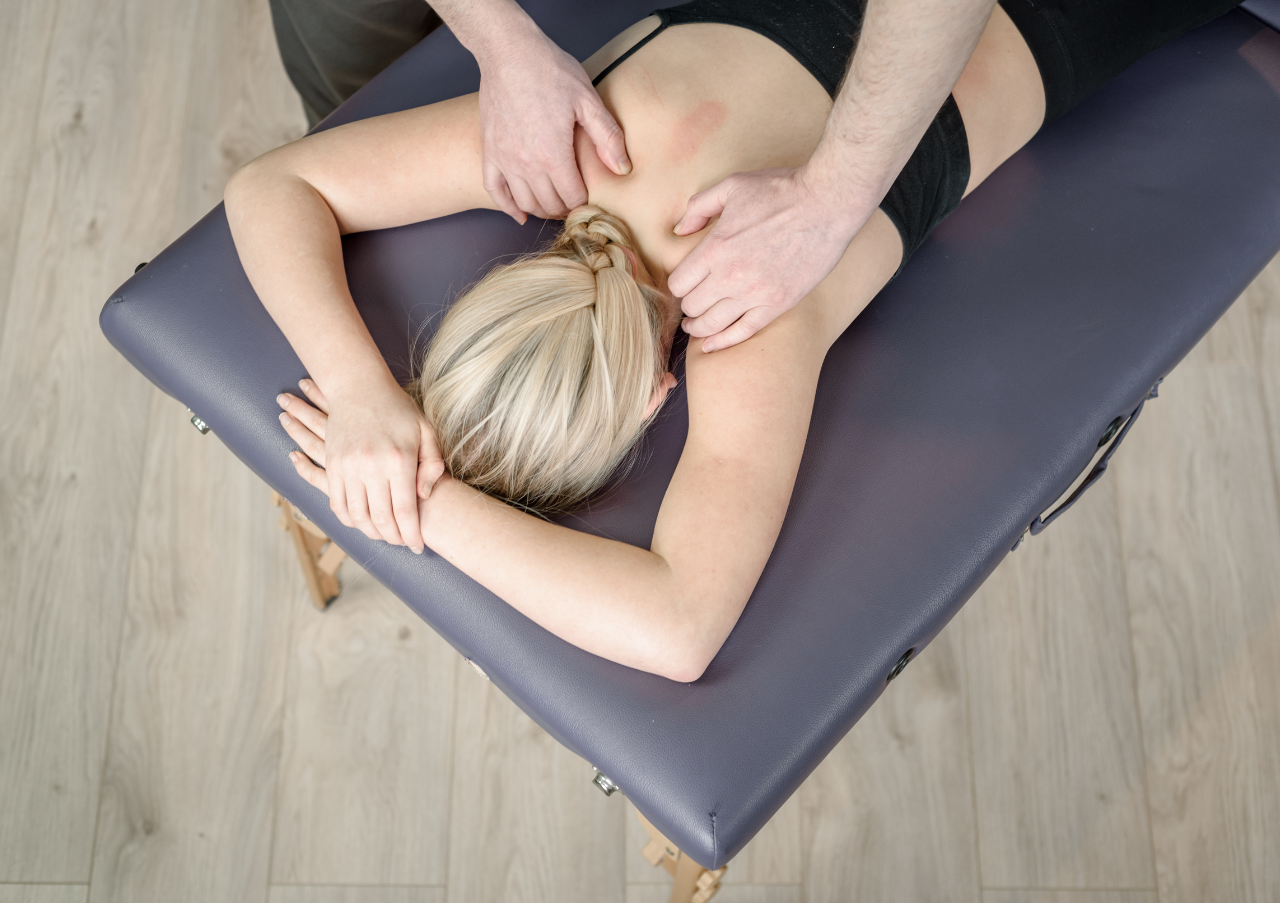
When you visit a physiotherapist, you might expect some hands-on treatment. Manual therapy is an important part of physiotherapy and can help reduce discomfort, improve movement and make everyday activities feel more manageable.
You may also be given exercises to complete during your appointment or at home. This isn’t because hands-on treatment isn’t useful. Rather, hands-on treatment, exercise and self-management strategies can work together to support your recovery.
At Fortify Physio, we value hands-on treatment and aim to incorporate it into our sessions wherever appropriate. The type and amount of treatment will vary depending on your individual needs, assessment findings and goals.
Understanding how these approaches complement each other can help you feel more confident and involved in your physiotherapy journey.
What is manual therapy?
Manual therapy refers to a range of hands-on techniques used by physiotherapists. Depending on your condition and assessment, this may include massage, soft tissue techniques, joint mobilisation or other hands-on approaches.
Your physiotherapist may use these techniques to help reduce discomfort, improve movement or make a particular activity feel easier.
Manual therapy isn’t a one-size-fits-all treatment. Your physiotherapist will consider your symptoms, physical assessment, goals and overall health when deciding which techniques may be appropriate for you.
What can you expect during hands-on treatment?
Your physiotherapy appointment will generally begin with a discussion about your symptoms, how they affect your daily life and what you would like to achieve.
Your physiotherapist may assess your movement, strength and function before deciding which treatment approaches are likely to be helpful.
During hands-on treatment, your physiotherapist may work with the muscles, joints or other soft tissues around the area being treated. You should feel comfortable asking questions and communicating your preferences throughout the appointment.
For some people, manual therapy may help reduce discomfort or make movement feel easier, at least in the short term. This can be particularly useful when pain or stiffness is making it difficult to move comfortably or participate in exercise.
Everyone responds differently, which is why your treatment should be tailored to your needs and reviewed as you progress.
 Why are exercises often part of physiotherapy?
Hands-on treatment can be valuable during your appointment, but there are also things you can do between sessions to work towards your goals.
Exercise allows you to actively develop the strength, mobility, balance, coordination and physical capacity that may be relevant to your condition. Education and self-management strategies can also help you understand your symptoms and feel more confident managing them outside the clinic.
For example:
-
- Someone recovering from a shoulder problem may benefit from exercises that gradually improve shoulder movement and strength.
-
- Someone experiencing knee pain may work on leg strength and functional movements such as standing from a chair or climbing stairs.
-
- Someone returning to sport after an injury may need a progressive program to rebuild strength, control and tolerance for sport-specific activities.
Your exercises should suit your current ability, circumstances and goals, with adjustments made as needed.
How can hands-on treatment and exercise complement each other?
Rather than viewing hands-on treatment and exercise as competing approaches, it’s helpful to consider how they can support each other.
Hands-on treatment may help make movement more comfortable or improve your ability to perform a particular exercise. Your physiotherapist can then use exercise, education and self-management strategies to help you build on that progress.
For example, someone experiencing back pain may find that discomfort makes bending, walking or exercising difficult. Hands-on treatment may help make these movements feel more manageable, allowing the person to participate more comfortably in an exercise program or practise strategies for managing their symptoms.
The aim is to find a combination of approaches that helps you move towards your goals, rather than relying on any one technique in isolation.
Finding the Balance
The balance between hands-on treatment and active rehabilitation may change over time. Some people may benefit from more hands-on treatment at certain stages, while others may need a different combination of approaches. There is no set formula that applies to everyone.
For some people, hands-on treatment may remain an important part of their ongoing physiotherapy over the long term. For example, a person living with cerebral palsy may benefit from regular, individualised physiotherapy that includes hands-on techniques such as assisted stretching or joint mobilisation, alongside active movement and functional activities. These approaches may help support their movement, comfort and participation in everyday activities.
This differs from someone experiencing an episode of acute low back pain, where treatment may focus on helping symptoms settle, restoring movement and gradually returning to usual activities. In this situation, the emphasis of treatment may change as the person recovers.
Neither approach is inherently better than the other. The important thing is to consider the person’s condition, goals and ongoing needs when deciding what combination of treatment is most appropriate.
The important thing is that your treatment is guided by your individual needs, not a standard routine.
 Your goals help shape your treatment
There is no single physiotherapy program that is right for everyone.
Your goals might include returning to sport, getting back to work, walking more comfortably, managing an ongoing condition, improving your balance or feeling more confident with everyday activities.
These goals help your physiotherapist determine which treatment approaches are most appropriate and how your progress can be supported.
A good rehabilitation plan should also give you practical strategies you can use outside the clinic. Learning how to manage your symptoms, gradually adjust your activity and build your physical capacity can help you take an active role in your recovery.
What should you do between appointments?
If your physiotherapist has prescribed exercises, following your agreed program can be an important part of your progress. However, doing more isn’t necessarily better.
Your physiotherapist can advise you on how often to exercise, how much is appropriate and how to modify an exercise if your symptoms change.
It’s also important to share your experience with your physiotherapist. If an exercise is uncomfortable, difficult to understand or doesn’t fit into your routine, let them know. Your program can often be adjusted to make it more practical and achievable.
Self-management doesn’t mean you have to figure everything out on your own. Your physiotherapist can help you understand your options and develop strategies that work for you.
Physiotherapy is a partnership
Hands-on treatment can be a valuable part of physiotherapy, whether you’re recovering from an injury, managing an ongoing condition or living with a lifelong disability. For some people, it may be particularly helpful during a period of recovery, while for others it may remain a regular part of their long-term physiotherapy.
Exercise, education and self-management strategies can complement hands-on treatment in different ways, depending on the person’s abilities, goals and circumstances.
At Fortify Physio, we aim to provide individualised treatment that considers your needs, preferences and goals. The right combination of hands-on treatment and active rehabilitation will depend on your circumstances and how you respond to treatment.
If you’re experiencing pain, stiffness, reduced movement or difficulty returning to your usual activities, a physiotherapy assessment can help identify appropriate treatment options and develop a plan that suits you.
Ready to take the next step? Contact Fortify Physiotherapy to discuss your needs or book an appointment.
Reference list
Australian Commission on Safety and Quality in Health Care (2022) Low Back Pain Clinical Care Standard. Sydney: ACSQHC. Australian Commission on Safety and Quality in Health Care, Low Back Pain Clinical Care Standard
Australian Physiotherapy Association (2024) The APA Valuing Skills Series: Value of manual therapy in physiotherapy. Melbourne: Australian Physiotherapy Association. Australian Physiotherapy Association, Value of manual therapy in physiotherapy
Australian Government Department of Health, Disability and Ageing (2026) 24-hour movement guidelines for all Australians. Canberra: Australian Government. Australian Government, 24-hour movement guidelines
Royal Australian College of General Practitioners (2020) Exercise for ongoing low back pain. Melbourne: RACGP. RACGP, Exercise for ongoing low back pain