
 Is Your Child Physically Ready for the Second Half of the School Year?
As the school year reaches its halfway point, many parents are starting to notice how their child is coping with the physical demands of school. While the excitement of the new year has settled, daily routines, classroom expectations, playground activities, and sporting commitments continue to place demands on growing bodies.
For some children, challenges with movement, coordination, strength, or endurance become more noticeable as the year progresses. The good news is that identifying these concerns early can help children build the skills they need to participate confidently both in the classroom and beyond.
The Physical Demands of School
School requires much more than academic skills. Throughout the day, children are expected to sit upright for extended periods, carry school bags, navigate playground equipment, participate in physical education classes, and engage in organised sports and recreational activities.
Most children adapt well to these demands. However, some may experience difficulties that affect their confidence, participation, or enjoyment of school life.
Parents and teachers are often the first to notice when a child appears to be struggling physically. These observations can provide valuable insight into whether additional support may be beneficial.
Signs Your Child May Be Finding School Physically Challenging
Every child develops at their own pace, but there are some signs that may indicate a child is working harder than their peers to keep up with everyday physical activities.
You may notice that your child:
- Tires easily during physical activity
- Avoids playground games or sports
- Frequently trips, falls, or bumps into objects
- Complains of aches and pains after school
- Has difficulty with running, jumping, hopping, or balancing
- Appears awkward or uncoordinated during movement tasks
- Struggles to maintain posture when sitting for homework
These signs do not automatically indicate a significant problem. However, they can suggest that a child’s motor skills, strength, balance, or coordination may benefit from further assessment.
Why Physical Development Matters
Strong physical skills support much more than participation in sport.
Children who move confidently are often better able to engage in playground activities, join team sports, keep up with peers, and participate fully in school experiences. Physical competence can also contribute to self-esteem, social inclusion, and overall wellbeing.
When movement challenges are present, children may become reluctant to participate in activities where they feel less capable. Over time, this can reduce opportunities to develop important physical skills and build confidence.
Supporting physical development can help children feel more successful and engaged across many aspects of school life.
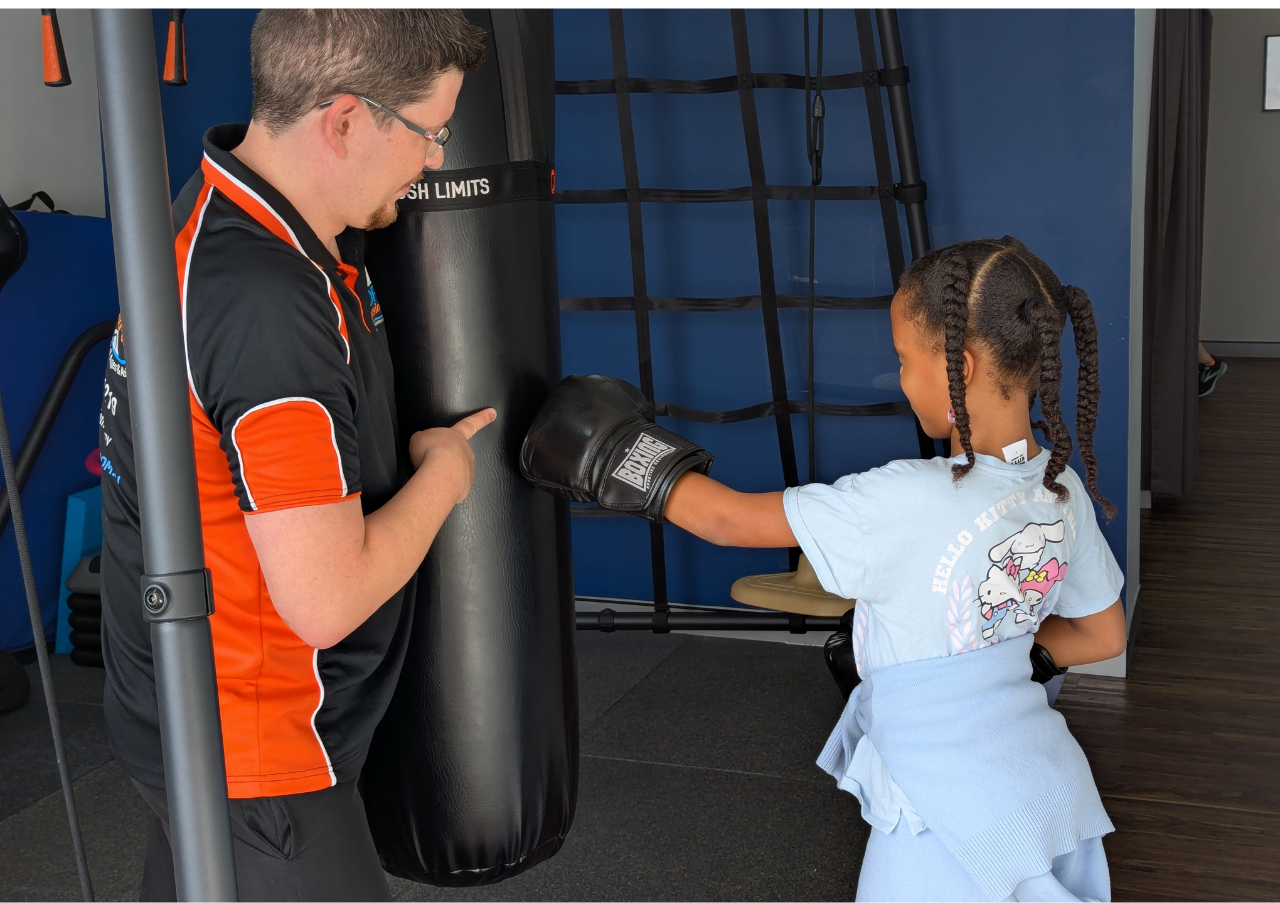
How Paediatric Physiotherapy Can Help
Paediatric physiotherapists assess and support children’s movement, strength, balance, coordination, and motor development.
Following an assessment, a physiotherapist can identify areas where a child may need additional support and develop an individualised plan to address specific goals.
Depending on the child’s needs, therapy may focus on:
- Improving balance and coordination
- Developing strength and endurance
- Enhancing gross motor skills
- Supporting participation in sport and recreation
- Improving posture and movement patterns
- Building confidence in physical activities
Importantly, therapy for children is designed to be engaging and enjoyable. Activities are often incorporated into games and age-appropriate challenges that encourage participation while developing essential skills.
Supporting Physical Development at Home
Parents play an important role in helping children develop physical confidence.
Encouraging active play remains one of the most effective ways to support healthy movement development. Activities such as bike riding, climbing, jumping, kicking balls, obstacle courses, and family walks all provide valuable opportunities for children to practise and refine motor skills.
Creating regular opportunities for movement can help balance the increasing amount of time many children spend sitting during school hours and recreational screen use.
Simple habits such as taking movement breaks during homework, limiting prolonged sedentary time, and encouraging participation in enjoyable physical activities can make a meaningful difference.
 When Should You Seek Advice?
If you have concerns about your child’s physical development, movement skills, or participation in everyday activities, seeking professional advice can provide clarity and reassurance.
A paediatric physiotherapy assessment can identify strengths, highlight areas that may require support, and provide practical strategies tailored to your child’s needs.
The middle of the school year is an ideal time to check in on your child’s progress and ensure they have the physical skills needed to thrive during the remainder of the year.
Helping Children Finish the School Year Strong
The second half of the school year presents new opportunities for learning, growth, and participation. By supporting your child’s physical development, you can help them build confidence, improve movement skills, and enjoy all aspects of school life.
Ready to Learn More?
If you have noticed your child struggling with coordination, balance, strength, or participation in physical activities, our paediatric physiotherapy team is here to help. Contact our clinic today to book an assessment and discover how targeted support can help your child thrive throughout the rest of the school year and beyond.
References
Australian Institute of Health and Welfare 2024, Australia’s children, AIHW, Canberra, viewed 25 June 2026, https://www.aihw.gov.au/reports/children-youth/australias-children
Australian Government Department of Health and Aged Care 2021, Australian 24-Hour Movement Guidelines for Children and Young People, Australian Government, Canberra, viewed 25 June 2026, https://www.health.gov.au
Australian Physiotherapy Association 2024, Paediatric physiotherapy, APA, Melbourne, viewed 25 June 2026, https://australian.physio
Raising Children Network 2025, School age development: 5-8 years, Raising Children Network, viewed 25 June 2026, https://raisingchildren.net.au
Raising Children Network 2025, School age development: 9-11 years, Raising Children Network, viewed 25 June 2026, https://raisingchildren.net.au