
 How Hydrotherapy Supports Neurological Rehabilitation
Neurological conditions can affect almost every aspect of daily life, from walking and balance to strength, coordination and confidence. For many people, rehabilitation is about finding safe and effective ways to improve movement while working within their individual abilities.
Hydrotherapy is one treatment option that can provide significant benefits for people living with a range of neurological conditions. By combining physiotherapy with the unique properties of warm water, hydrotherapy creates an environment where movement may become easier, more comfortable and more achievable than on land.
Why water makes a difference
Hydrotherapy uses a heated pool to support therapeutic exercise under the guidance of a physiotherapist. Unlike exercising on land, the water changes how the body moves and responds.
The warmth of the water encourages muscles to relax, while the buoyancy reduces the amount of body weight placed through joints and limbs. Water also provides gentle resistance, allowing muscles to work throughout each movement without the need for heavy equipment.
These combined effects can make exercise feel less intimidating, particularly for people who experience weakness, stiffness or impaired balance.
 Reducing muscle tightness and spasticity
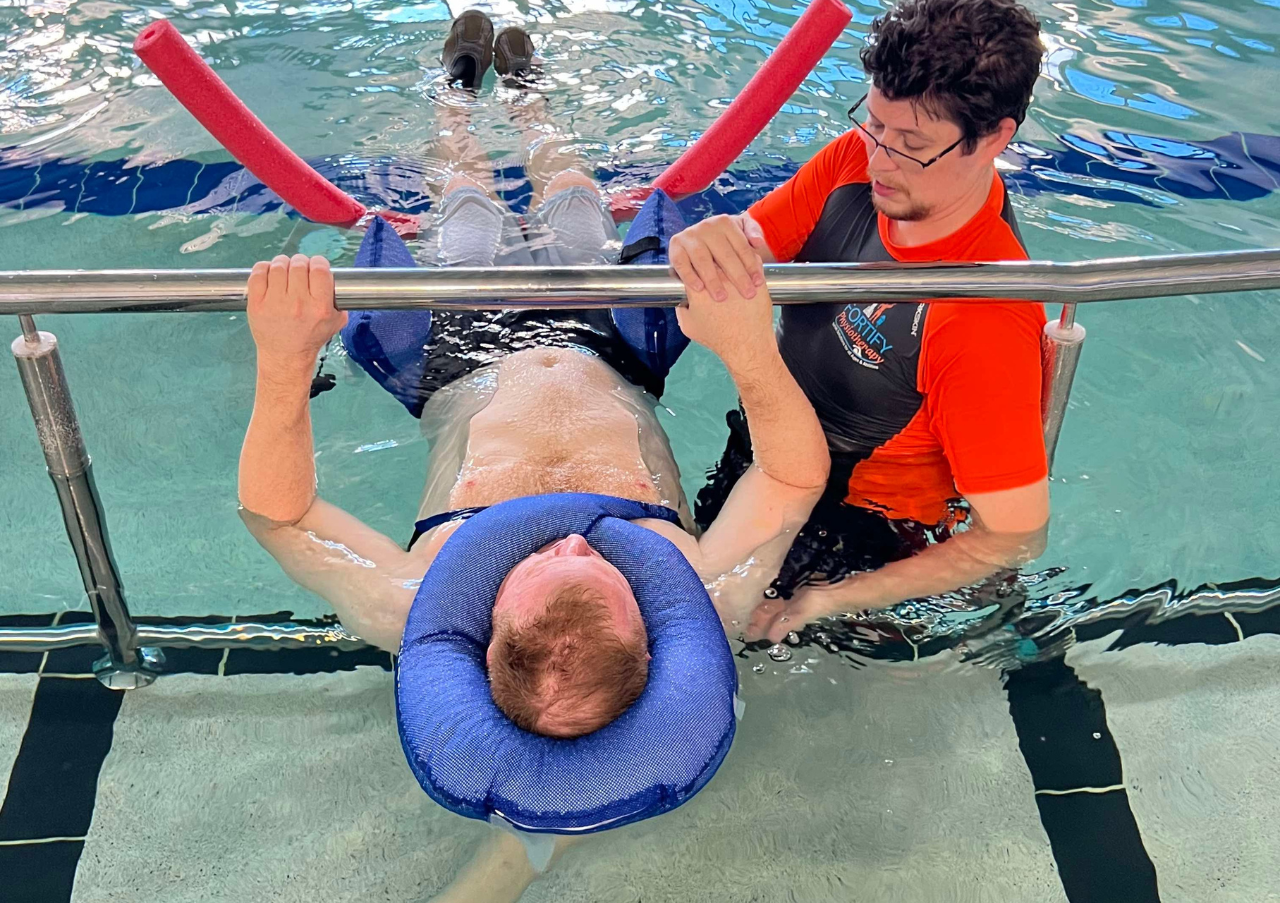
Many neurological conditions cause increased muscle tone or spasticity. This can make movement difficult, uncomfortable and tiring.
Warm water helps muscles relax by increasing circulation and reducing muscle guarding. As stiffness decreases, many people find they are able to move through a greater range of motion with improved comfort.
Reduced spasticity can also make it easier to practise everyday activities such as standing, stepping, reaching and transferring. While hydrotherapy is not a cure for neurological conditions, it can create an ideal environment for practising movement patterns that may be difficult on land.
Building confidence through buoyancy
One of the greatest advantages of hydrotherapy is buoyancy.
As the body is supported by the water, less effort is required to stand and move. This can reduce the fear of falling and give people the confidence to attempt movements they may otherwise avoid.
For individuals recovering from stroke or living with progressive neurological conditions, this confidence is often just as valuable as the physical benefits. Feeling safe encourages repetition, and repetition is essential for improving movement and function.
Many people are surprised by what they can achieve in the pool compared with exercising on land.
 Improving balance and walking
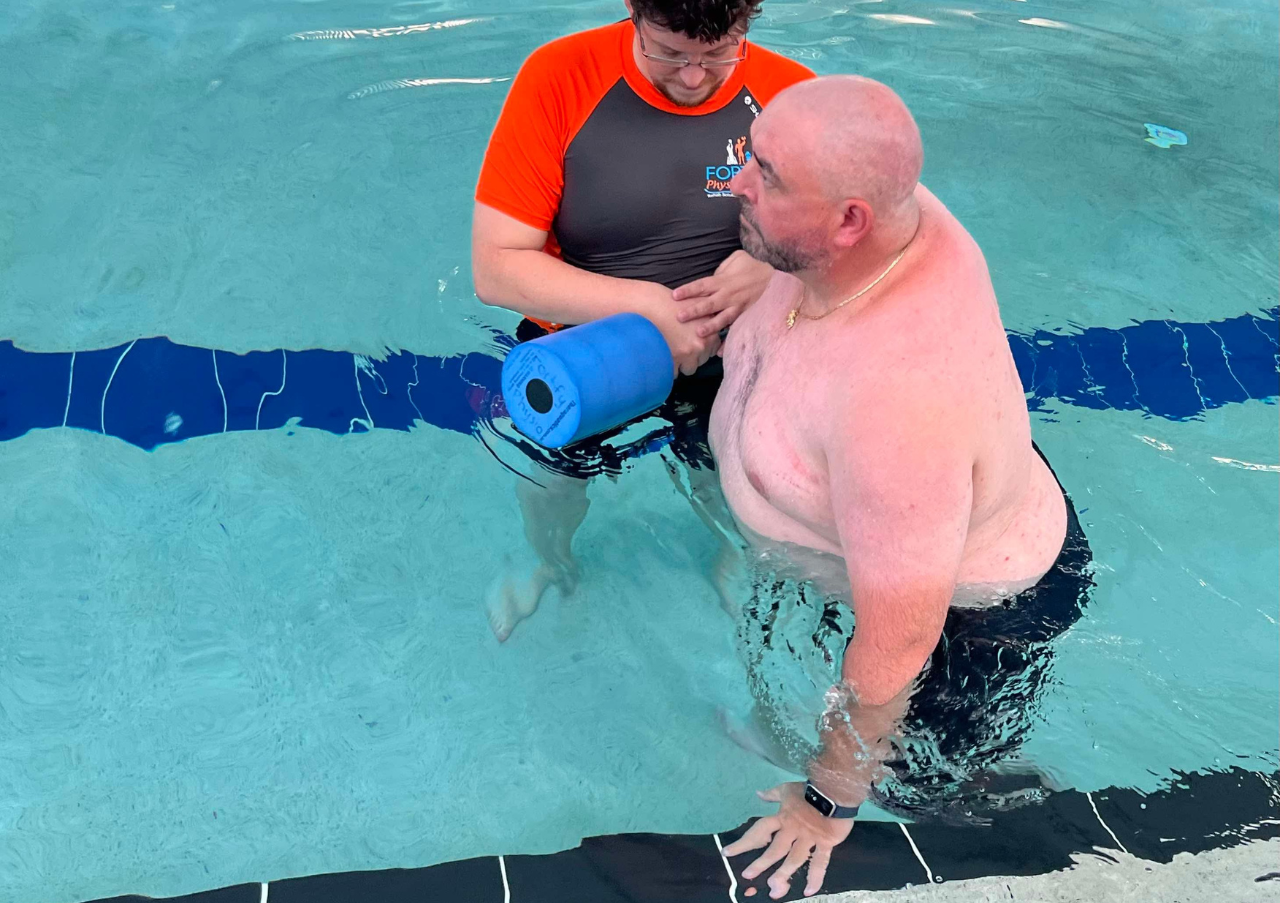
Balance difficulties are common in neurological conditions and often increase the risk of falls.
The hydrotherapy pool provides a supportive environment where balance activities can be practised safely. The resistance of the water slows movement, giving people more time to react while providing gentle support if they become unsteady.
Exercises may include:
- Walking forwards, backwards and sideways
- Weight shifting activities
- Stepping exercises
- Functional reaching tasks
- Turning and changing direction
Practising these movements in the water helps develop strength, coordination and postural control, all of which contribute to improved mobility on land.
Who can benefit from hydrotherapy?
Hydrotherapy may be suitable for people living with a range of neurological conditions, depending on their individual circumstances and goals.
These may include:
- Stroke
- Parkinson’s disease
- Multiple sclerosis
- Cerebral palsy
- Acquired brain injury
- Spinal cord injury
- Peripheral neuropathy
- Functional neurological disorder
Every person experiences these conditions differently. A physiotherapy assessment helps determine whether hydrotherapy is appropriate and ensures exercises are tailored to each individual’s needs.
 Part of a complete rehabilitation program
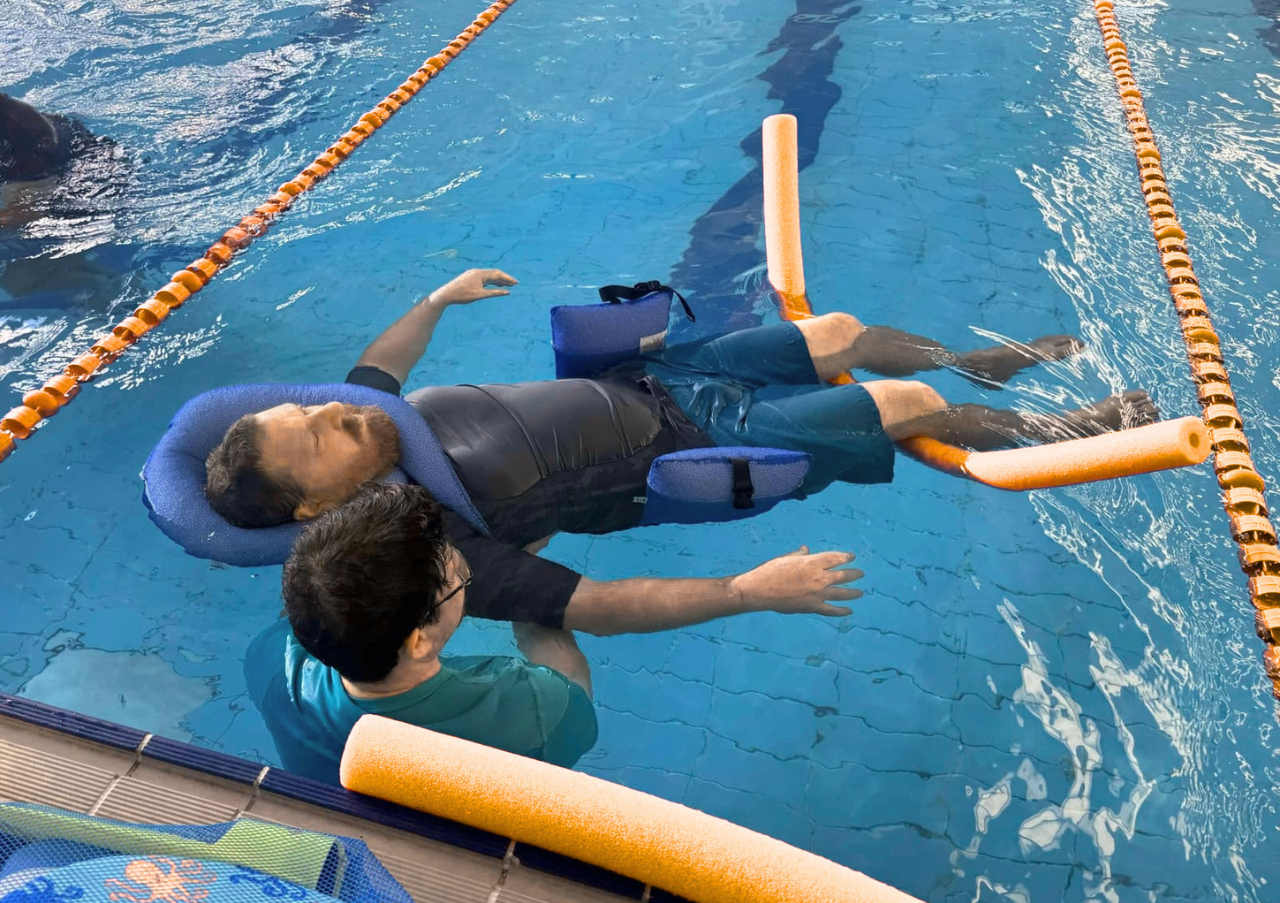
Although hydrotherapy offers many benefits, it is rarely used as a standalone treatment.
The most effective rehabilitation programs combine hydrotherapy with land based physiotherapy, strength training, balance exercises, education and functional practice. Skills developed in the pool can then be transferred into everyday activities such as walking, climbing stairs and completing daily tasks.
Your physiotherapist will regularly review your progress and adjust your treatment plan as your goals and abilities change.
Taking the first step
Beginning rehabilitation can feel overwhelming, particularly after a neurological diagnosis or injury. Hydrotherapy provides a supportive environment where many people discover they can move with greater comfort, confidence and independence.
With an individualised program designed by a physiotherapist, hydrotherapy can become an important part of improving mobility, reducing stiffness and helping people achieve meaningful goals.
Ready to find out if hydrotherapy is right for you?
If you or someone you care for is living with a neurological condition, our physiotherapy team can assess your needs and develop a personalised rehabilitation program that may include hydrotherapy. Contact our clinic today to arrange an assessment and take the next step towards improving your movement, confidence and quality of life.
References
Australian Physiotherapy Association 2022, Neurological physiotherapy, Australian Physiotherapy Association, Melbourne, viewed 7 August 2026.
Healthdirect Australia 2024, Hydrotherapy, Healthdirect Australia, Sydney, viewed 7 August 2026.
MS Australia 2023, Exercise and physical activity for people with multiple sclerosis, MS Australia, Sydney, viewed 7 August 2026.
Parkinson’s Australia 2024, Exercise and Parkinson’s, Parkinson’s Australia, Sydney, viewed 7 August 2026.
Stroke Foundation 2024, Rehabilitation after stroke, Stroke Foundation, Melbourne, viewed 7 August 2026.