
 Understanding Muscular Dystrophy and the Benefits of Physiotherapy
Muscular Dystrophy refers to a group of inherited neuromuscular conditions characterised by progressive muscle weakness and degeneration. The presentation, progression, and severity vary depending on the specific type, but over time many individuals experience reduced strength, declining mobility, fatigue, and increasing difficulty with functional tasks.
As muscle tissue is gradually replaced with fat and connective tissue, the ability to generate force declines. This can impact gait, posture, respiratory function, and independence in daily activities. While there is currently no cure, appropriate management plays a critical role in slowing secondary complications and supporting quality of life.
Physiotherapy and hydrotherapy are central to this management, providing structured, evidence informed approaches to maintain function and promote safe movement.
The Role of Physiotherapy in Long Term Management
Physiotherapy for Muscular Dystrophy is not focused on restoration of strength in the traditional sense, but rather on preservation of function, prevention of complications, and optimisation of movement efficiency.
A comprehensive physiotherapy program begins with detailed assessment of muscle strength, joint range, posture, balance, fatigue levels, and functional capacity. This allows for the development of an individualised program aligned with the person’s stage of condition and personal goals.
Intervention is dynamic and evolves over time. Early stages may focus on maintaining mobility and activity participation, while later stages often prioritise positioning, comfort, and safe transfers. This continuity of care is essential in responding to the progressive nature of the condition.
Joint Range, Contracture Prevention, and Postural Care
One of the most significant secondary complications of Muscular Dystrophy is the development of joint contractures. As muscle imbalance and weakness progress, joints may become restricted, leading to reduced movement efficiency, discomfort, and loss of function.
Physiotherapy incorporates structured stretching programs, passive and active assisted movements, and positioning strategies to maintain joint integrity. Postural management is also critical, particularly for individuals who spend prolonged periods sitting or using mobility aids.
Maintaining alignment through appropriate seating, support, and regular repositioning can reduce the risk of pain, pressure related issues, and further functional decline.
Exercise and Fatigue Management
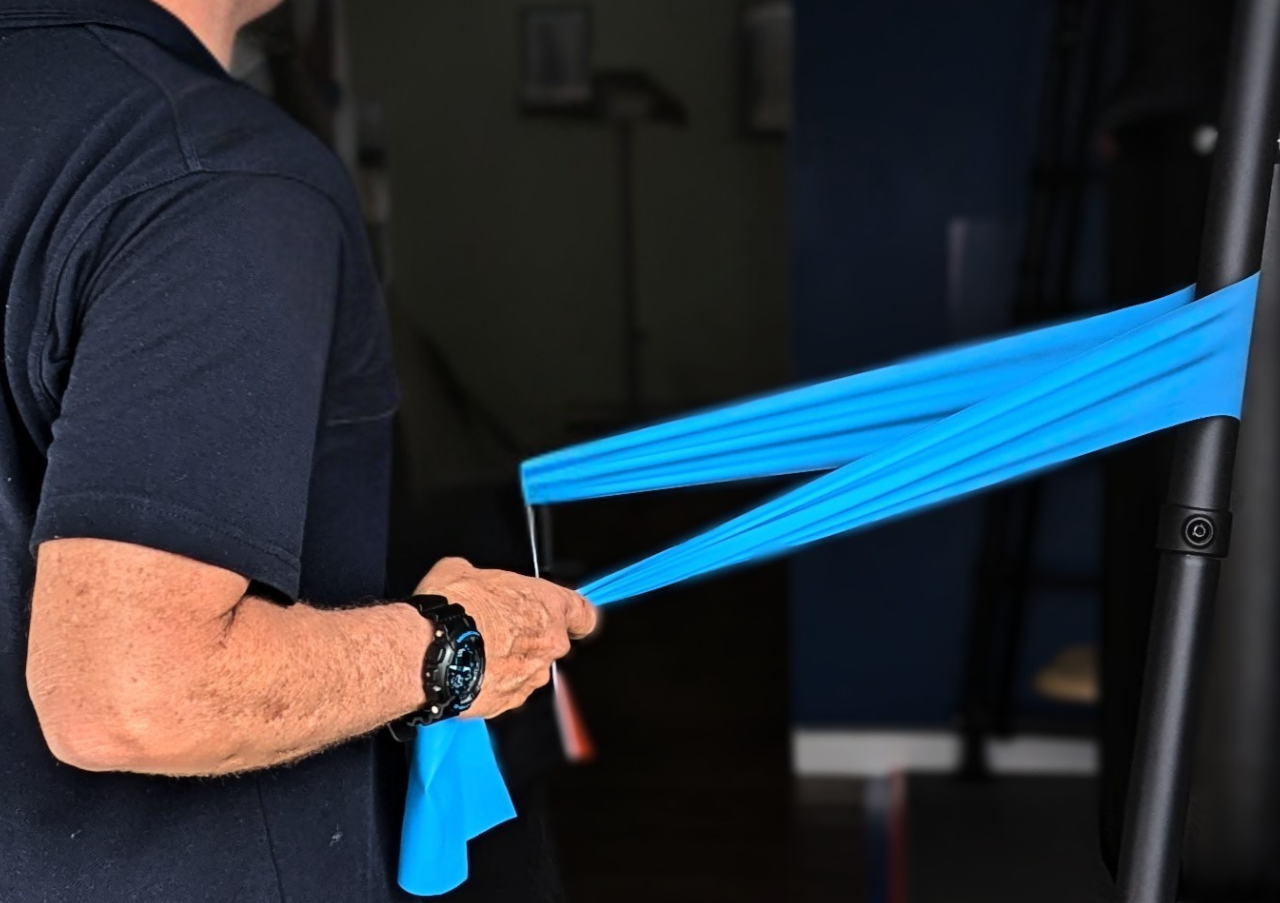
Exercise remains an important component of care, but it must be carefully prescribed. Unlike general strengthening programs, individuals with Muscular Dystrophy require low intensity, submaximal exercise that avoids muscle overuse.
Eccentric loading and high resistance exercise are typically minimised, as these may contribute to muscle damage in certain forms of the condition. Instead, physiotherapy focuses on controlled, low load movements that support endurance and functional capacity.
Fatigue is a prominent and often limiting symptom. Effective physiotherapy integrates pacing strategies, scheduled rest periods, and energy conservation techniques. Education around recognising early signs of fatigue is essential in preventing overexertion and maintaining consistency in activity levels.
The Clinical Benefits of Hydrotherapy
Hydrotherapy offers a unique therapeutic environment that complements land based physiotherapy. The physical properties of water, including buoyancy, hydrostatic pressure, and viscosity, provide both support and resistance in a controlled manner.
Buoyancy reduces the effects of gravity, allowing individuals to perform movements with less effort and joint loading. This is particularly beneficial for those with significant weakness or reduced weight bearing tolerance.
Hydrostatic pressure can assist with circulation and may contribute to reduced swelling and improved proprioceptive input. The resistance of water enables gentle strengthening without the need for external weights, making it a safe medium for exercise.
Functional Movement and Balance in Water
The aquatic environment allows for the practice of functional movements in a way that may not be achievable on land. Activities such as walking, stepping, and reaching can be performed with greater ease and reduced fear of falling.
Balance training in water is especially valuable. The supportive nature of the environment allows individuals to challenge their stability while minimising risk. This can improve confidence and encourage greater participation in both therapy and daily life.
For many individuals, hydrotherapy provides an opportunity to re-engage with movement in a positive and achievable way.
Psychosocial and Behavioural Benefits
The impact of Muscular Dystrophy extends beyond physical limitations. Individuals may experience reduced confidence, social withdrawal, and frustration as functions change over time.
Participation in physiotherapy and hydrotherapy can have meaningful psychosocial benefits. Structured sessions provide routine, goal setting, and a sense of progression. The ability to move more freely in water can be particularly empowering.
These factors contribute to improved motivation, adherence to therapy, and overall wellbeing. A supportive clinical environment also allows for ongoing education and reassurance.
Early Intervention and Continuity of Care
Early introduction of physiotherapy is associated with better long term outcomes. Establishing appropriate movement patterns, maintaining flexibility, and educating individuals and families early in the condition can delay the onset of secondary complications.
As Muscular Dystrophy progresses, therapy must adapt. This may include increased focus on assistive technology, respiratory support strategies, and environmental modifications.
Regular reassessment ensures that interventions remain appropriate, effective, and aligned with the individual’s changing needs.
Assistive Technology and Functional Independence
Physiotherapists play an important role in the prescription and integration of assistive devices. These may include orthoses, walking aids, wheelchairs, and specialised seating systems.
The goal of assistive technology is not simply compensation, but optimisation of independence and safety. Appropriate equipment can reduce energy expenditure, support posture, and enable continued participation in meaningful activities.
Education around correct use is essential to maximise benefit and prevent secondary issues.
 Individualised, Goal Oriented Care
No two individuals with Muscular Dystrophy present in the same way. As such, therapy must be highly individualised and responsive.
Goal setting is a collaborative process that considers personal priorities, lifestyle, and stage of condition. For some, this may involve maintaining the ability to walk for as long as possible. For others, it may focus on comfort, positioning, or independence in daily tasks.
This person centred approach ensures that therapy remains relevant and meaningful.
Supporting Long Term Quality of Life
While Muscular Dystrophy is a progressive condition, appropriate physiotherapy and hydrotherapy can significantly influence quality of life. By maintaining mobility, managing symptoms, and supporting independence, therapy enables individuals to remain engaged in daily life.
Consistent, tailored intervention provides structure, support, and practical strategies to navigate the challenges associated with the condition.
If you or someone you care about is living with Muscular Dystrophy, our physiotherapy team is here to provide tailored, evidence informed care. Contact our clinic today to learn how physiotherapy and hydrotherapy can support long term mobility, independence, and quality of life.
References
Muscular Dystrophy Australia 2023, About Muscular Dystrophy, Muscular Dystrophy Australia, viewed 27 March 2026, https://www.mda.org.au
National Disability Insurance Scheme 2024, Supports for people with Muscular Dystrophy, NDIS, viewed 27 March 2026, https://www.ndis.gov.au
NSW Health 2022, Hydrotherapy and rehabilitation, NSW Government, viewed 27 March 2026, https://www.health.nsw.gov.au
Physiotherapy Board of Australia 2023, Physiotherapy role in chronic conditions, Australian Health Practitioner Regulation Agency, viewed 27 March 2026, https://www.physiotherapyboard.gov.au
Better Health Channel 2023, Muscular dystrophy, Victorian State Government, viewed 27 March 2026, https://www.betterhealth.vic.gov.au